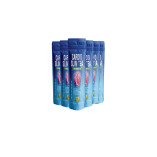
Cardio Slim Tea derives its purported benefits from a carefully selected blend of botanical ingredients, each chosen for their specific properties related to metabolism, digestion, and overall wellness. Understanding these core components helps
...
illuminate how this product aims to support weight management goals.
How Cardio Slim Tea Claims to Work
Cardio Slim Tea positions itself as a multifaceted approach to weight management, with several proposed mechanisms of action. Understanding these claims helps consumers evaluate whether this product aligns with their health goals and expectations.
Metabolic Enhancement
The primary claim centres around boosting the body's basal metabolic rate—the amount of energy expended while at rest. Through its blend of thermogenic ingredients like green tea extract and ginger, Cardio Slim Tea purportedly increases the number of calories burned throughout the day, even during periods of inactivity. This metabolic boost is suggested to create a more favourable environment for weight management by potentially helping the body burn more calories than it would naturally.
Enhanced Fat Oxidation
Beyond general metabolism support, Cardio Slim Tea specifically claims to target fat stores. The catechins in green tea and polyphenols in oolong tea allegedly help the body preferentially utilise fat as an energy source. This process, called fat oxidation, is crucial for reducing stored body fat. The product suggests that regular consumption may help optimise this fat-burning process, particularly when combined with regular physical activity.
Detoxification Support
The blend purports to assist the body's natural detoxification processes through ingredients like dandelion root. By potentially supporting liver and kidney function, the tea claims to help eliminate waste products and toxins that might otherwise impede efficient metabolism. This "cleansing" effect is marketed as creating an optimal internal environment for weight management and overall wellness.
Digestive Improvement
With digestive-supporting herbs like ginger, lemongrass, and hibiscus, Cardio Slim Tea claims to optimise gut function. Proper digestion ensures nutrients are efficiently absorbed while reducing uncomfortable bloating and water retention. This component of the formula aims to address the common complaint of abdominal discomfort that many dieters experience, potentially making weight management efforts more comfortable and sustainable.
Scientific Evidence: Do Slimming Teas Actually Work?
When evaluating products like Cardio Slim Tea, it's essential to examine the scientific evidence behind their claims. While herbal teas have been used traditionally for various health purposes, modern research provides a more nuanced understanding of their effectiveness for weight management.
Research on Key Ingredients
Green tea has received significant scientific attention. Studies suggest its catechin content, particularly EGCG, combined with caffeine, may increase fat oxidation by approximately 10-17% in short-term studies. However, these effects are modest and vary considerably between individuals based on factors like genetic makeup and habitual caffeine consumption.
Research on oolong tea shows it may increase energy expenditure slightly more than an equivalent amount of caffeine alone, suggesting its unique polyphenols contribute additional metabolic effects. A 2009 study in the Chinese Journal of Integrative Medicine found that regular oolong consumption was associated with decreased body weight in overweight individuals, though the effect size was modest.
For ingredients like dandelion root, hibiscus, and lemongrass, the evidence specifically for weight loss is much more limited. These herbs primarily support digestive function and fluid balance rather than directly influencing fat metabolism.
Limitations of Current Evidence
Most studies on tea compounds and weight management show statistically significant but clinically modest effects. For example, a comprehensive 2012 Cochrane review concluded that green tea preparations led to only small, statistically non-significant weight loss in overweight adults.
Importantly, the strongest research evidence comes from controlled studies where herbal teas were used alongside calorie-restricted diets and regular physical activity—suggesting teas may be supportive adjuncts rather than primary weight loss agents.
There's minimal scientific evidence that herbal teas significantly control appetite or cause meaningful long-term fat loss when used in isolation. The temporary weight changes often observed in the first days of tea consumption typically reflect water loss rather than fat reduction.
Potential Fat Oxidation Increase
Research indicates green tea may boost fat oxidation by this percentage in short-term studies, though individual results vary significantly.
Typical Body Weight Reduction
Studies show modest weight loss percentages from tea consumption alone, highlighting the importance of comprehensive lifestyle approaches.
Success Rate With Lifestyle Changes
Research suggests tea consumption combined with dietary changes and exercise shows significantly higher success rates than tea alone.
==> 🌈💟⭐💗 CLICK HERE TO GET YOUR " Cardio Slim Tea" FROM THE Authority Site" 🌈💟⭐💗 ==>
Fat Loss vs. Water Loss: What the Scale Doesn't Tell You
One of the most misunderstood aspects of weight management, particularly when using products like Cardio Slim Tea, is the critical distinction between losing body fat and losing water weight. This distinction explains why initial results often don't translate to long-term changes.